Ayurvedic Treatment for Back Pain
Ayurveda treats back pain as a Vata-driven imbalance affecting the joints, muscles and spine, addressed primarily through Kati Vasti (warm medicated oil pooled over the lower back), Abhyanga massage and, for chronic or disc-related cases, a structured Panchakarma programme — typically over 7 to 21 days depending on severity.
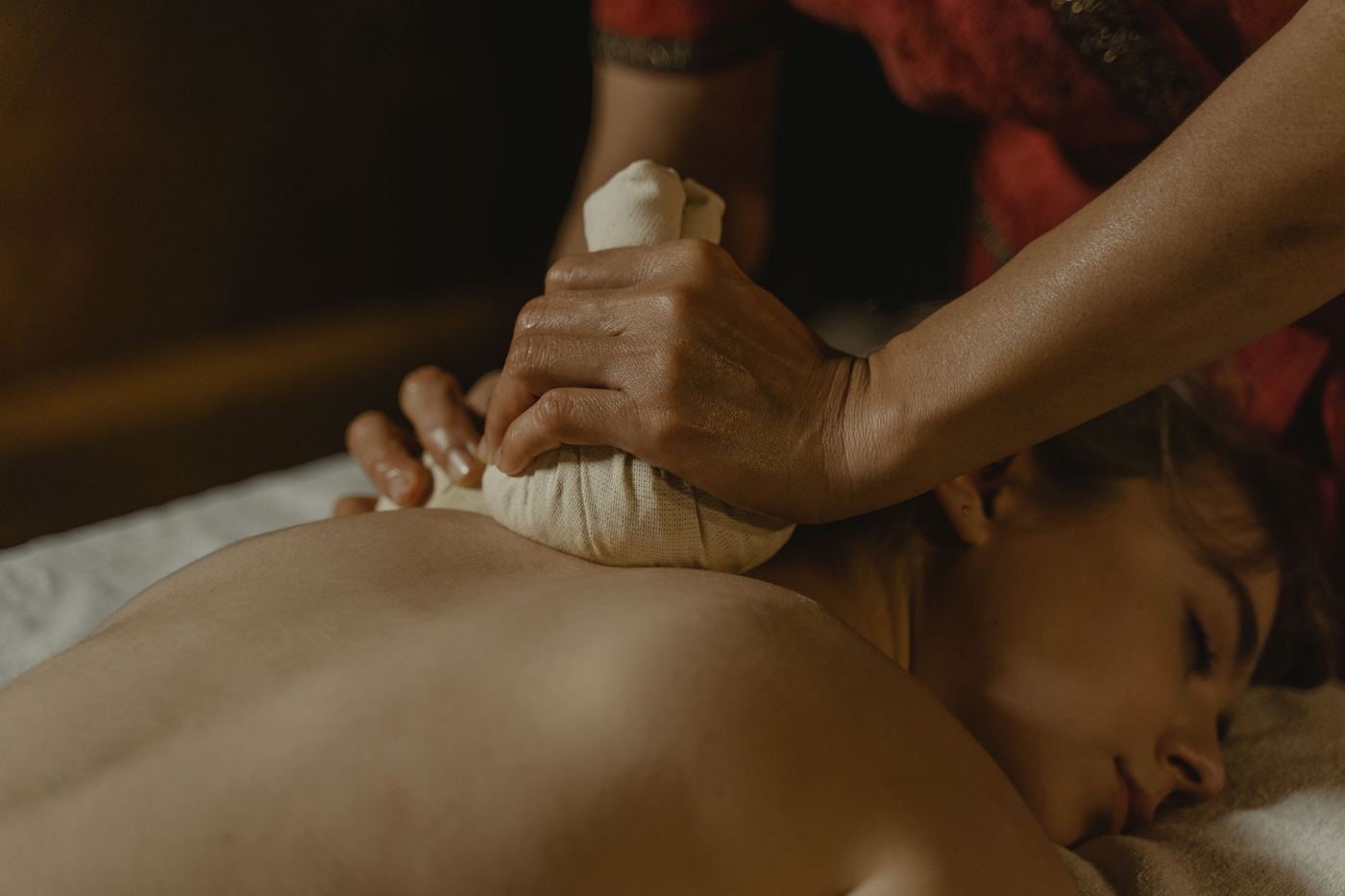
What causes back pain, in Ayurvedic terms
Ayurveda attributes most chronic back pain to aggravated Vata dosha, which governs movement and the nervous system. When Vata accumulates in the lower back — often from poor posture, long sitting, cold exposure, or unresolved old injuries — it dries out the tissue lubrication (Sneha) around the joints and spine, leading to stiffness, spasm and pain that tends to worsen in cold or dry weather.
Core therapies used
The centrepiece treatment is Kati Vasti — warm medicated oil held within a dam of black gram paste directly over the lower back for a fixed duration, allowing deep, sustained absorption. This is usually combined with full-body Abhyanga to improve overall circulation, and in more chronic or disc-related cases, a physician may prescribe a short Panchakarma programme to address the deeper imbalance rather than just the local symptom.
Herbs and formulations commonly used
Physicians commonly use Vata-pacifying medicated oils such as Mahanarayan Tailam and Ksheerabala Tailam for external application, alongside internal herbal formulations like Yogaraj Guggulu, prescribed based on your specific constitution and the severity of the condition — never as a fixed, one-size-fits-all prescription.
Self-care between sessions
Gentle movement (rather than complete rest) is generally encouraged for non-acute back pain, along with warmth over the lower back, avoiding cold and damp exposure, and simple daily routine (Dinacharya) changes such as consistent sleep timing and mindful posture during long sits — all things a physician will personalise for you.
You may also want to look at
Back Pain — frequently asked
Can Ayurveda actually help with chronic back pain?
Many guests report meaningful relief from chronic, non-surgical back pain through a structured programme combining Kati Vasti, Abhyanga and targeted Panchakarma — though results vary by individual and underlying cause, and Ayurveda works best as a complement to, not a replacement for, appropriate medical diagnosis of the root cause.
How long does an Ayurvedic back pain programme take?
A focused programme for mechanical or Vata-type back pain typically runs 7 to 14 days; more chronic or disc-related cases may need 21 to 28 days as part of a full Panchakarma protocol.
Is Kati Vasti painful?
No — it's a warm, generally soothing therapy. Guests commonly describe deep, penetrating warmth rather than discomfort.
Should I get a diagnosis before booking treatment?
Yes, strongly recommended, especially if pain followed an injury, radiates down a leg, or comes with numbness, tingling, or bladder/bowel changes — these need prompt medical evaluation before any Ayurvedic therapy.
Can Ayurveda help with a slipped or herniated disc?
Gentle, physician-supervised Panchakarma and Kati Vasti are traditionally used to support disc-related pain management, but any guest with a confirmed disc herniation should share imaging and medical reports with the Ayurvedic physician before starting, and avoid any therapy involving spinal manipulation without clearance.
What should I avoid during treatment?
Heavy lifting, long car journeys, and cold or damp exposure are typically discouraged during an active back pain programme — your physician will give you specific guidance.
This page is educational and does not replace a medical diagnosis. If you have severe, sudden or worsening symptoms — including numbness, loss of bladder or bowel control, fever, unexplained weight loss, or symptoms following an injury — see a doctor promptly rather than relying on this information.